Protect Your Health with Professional Chemical Exposure Testing
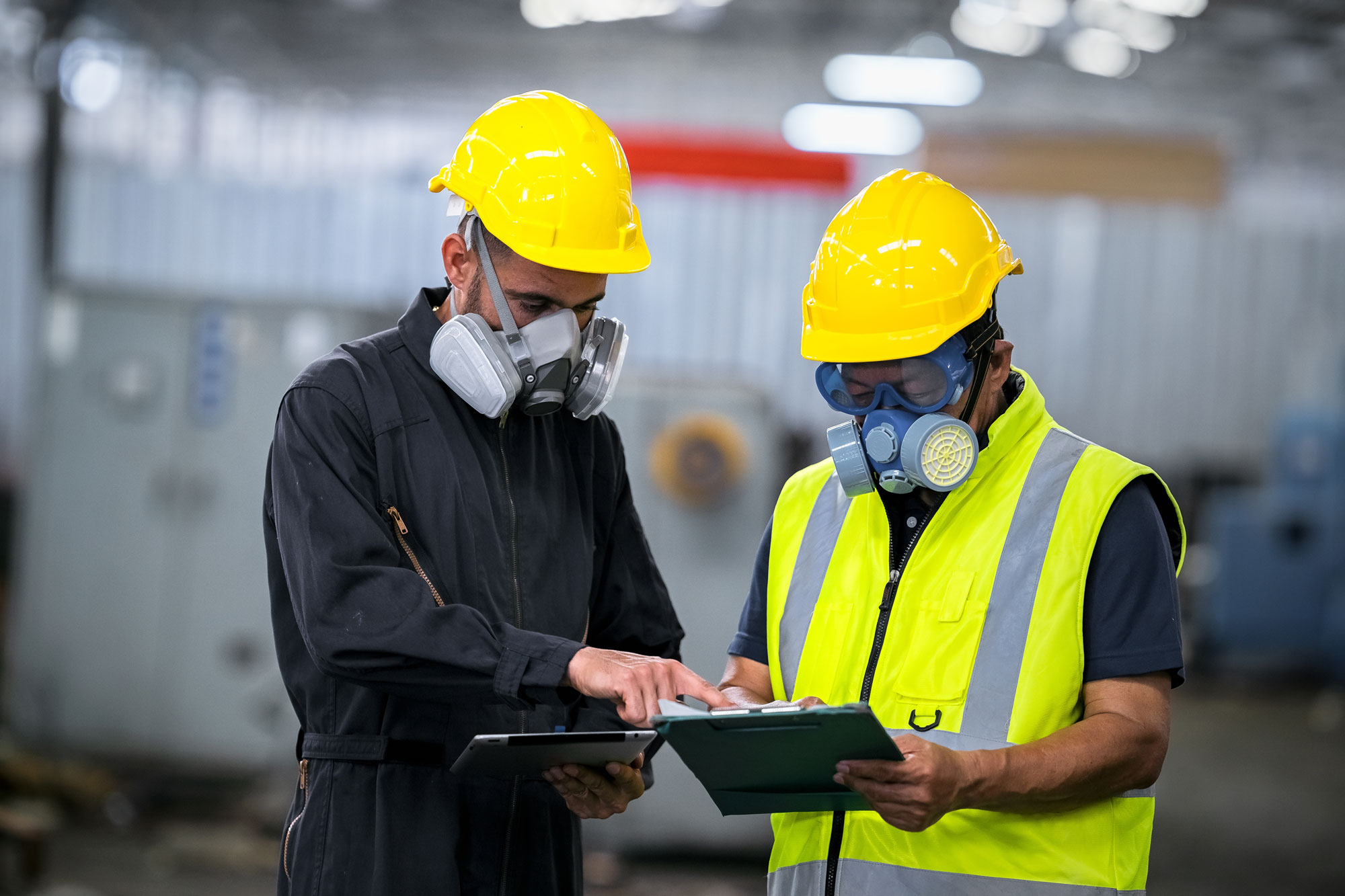
Essential chemical safety precautions for workplace protection and hazard awareness
Chemical exposure is a concern in many industries and environments. From manufacturing plants to agriculture, laboratories, and even households, people may be exposed to harmful substances without realizing the long-term health effects. Chemical exposure testing is a vital process that helps identify, measure, and manage these risks—protecting individuals, workplaces, and communities.
This article will explain what chemical exposure testing is, why it’s important, the methods used, and how testing can safeguard health and compliance.
What Is Chemical Exposure Testing?
Chemical exposure testing is the process of detecting and analyzing harmful chemicals present in a person’s body, environment, or workplace. This testing identifies whether an individual has been exposed to hazardous substances and determines the level of that exposure.
Testing can be:
- Biological monitoring – analyzing samples like blood, urine, or breath to detect chemical levels in the body.
- Environmental monitoring – measuring chemical concentrations in air, water, or surfaces in the workplace or home.
The ultimate goal is to ensure safety, prevent illness, and reduce the likelihood of dangerous long-term effects.
Why Chemical Exposure Testing Is Important
1. Protecting Worker Health
Workers in industries such as chemical manufacturing, mining, painting, or agriculture face daily risks from harmful substances. Exposure to solvents, pesticides, heavy metals, or toxic gases can lead to respiratory problems, skin disorders, organ damage, and even cancer. Testing ensures these workers receive proper protective measures and treatment.
2. Compliance with Regulations
Organizations must meet occupational health and safety standards set by agencies like OSHA (Occupational Safety and Health Administration) in the U.S. or equivalent bodies worldwide. Regular testing ensures compliance and helps avoid costly legal penalties.
3. Early Detection of Health Issues
Chemical-related illnesses can develop slowly, with symptoms appearing months or years later. Early testing detects exposure before significant damage occurs, enabling early treatment and lifestyle changes.
4. Protecting the Public
Beyond the workplace, testing may be necessary for communities near industrial facilities or contaminated sites. Ensuring clean air, water, and soil is essential for public health.
Common Chemicals That Require Testing
Chemical exposure testing can target a wide range of substances, depending on the environment. Common ones include:
- Lead – Found in old paint, batteries, and industrial sites; can cause brain and kidney damage.
- Asbestos – Once widely used in building materials; inhalation can lead to mesothelioma and lung cancer.
- Benzene – Used in plastics, rubber, and fuel production; linked to leukemia.
- Mercury – Found in some industrial processes and seafood; can affect the nervous system.
- Formaldehyde – Used in manufacturing and as a preservative; may cause respiratory issues and cancer.
- Pesticides – Common in agriculture; can cause neurological and reproductive problems.
Methods of Chemical Exposure Testing
The type of testing depends on the suspected chemical, level of exposure, and setting. Here are common approaches:
1. Air Monitoring
Air samples are collected using portable devices or fixed monitors to detect airborne contaminants. This is common in workplaces where dust, fumes, or gases may be present.
2. Surface and Dust Sampling
Chemicals that settle on surfaces can be tested by collecting dust or residue samples. This helps determine contamination in homes, schools, or factories.
3. Water and Soil Testing
Samples are analyzed to detect contamination from industrial waste, agricultural chemicals, or leaking storage tanks.
4. Biological Testing
- Blood tests – Identify chemicals like lead, mercury, or pesticides.
- Urine tests – Detect solvents, heavy metals, and other substances.
- Breath analysis – Measures volatile organic compounds (VOCs).
5. Real-Time Monitoring
Wearable sensors can detect chemical exposure instantly, alerting workers to take immediate action.
Who Needs Chemical Exposure Testing?
Industrial Workers
Employees in factories, refineries, laboratories, or construction sites often undergo regular exposure testing as part of workplace safety programs.
First Responders
Firefighters, paramedics, and disaster relief workers can be exposed to dangerous fumes or residues during emergencies.
Laboratory Staff
Researchers and lab technicians working with hazardous substances require ongoing monitoring.
Residents Near Hazardous Sites
Those living near chemical plants, waste disposal sites, or contaminated water sources may benefit from environmental and biological testing.
The Process of Chemical Exposure Testing
While procedures vary, a typical testing process involves:
- Initial Risk Assessment
- Identifying potential sources of chemical hazards.
- Determining which chemicals may be present.
- Sample Collection
- Gathering air, water, soil, or biological samples from individuals or locations.
- Laboratory Analysis
- Using advanced techniques like gas chromatography or mass spectrometry to detect and measure chemical levels.
- Data Interpretation
- Comparing results against safety thresholds set by regulatory bodies.
- Recommendations and Follow-Up
- Providing guidance on protective measures, remediation, or medical treatment.
- Scheduling repeat testing to monitor improvements.
Preventing Chemical Exposure
While testing is essential for detection, prevention is the best strategy. This includes:
- Proper ventilation in workplaces.
- Personal protective equipment (PPE) like gloves, respirators, and goggles.
- Regular safety training for workers handling chemicals.
- Safe storage and labeling of hazardous materials.
- Strict adherence to safety protocols during handling and disposal.
Legal and Workplace Responsibilities
Employers have a duty to:
- Provide safe working conditions.
- Conduct regular hazard assessments.
- Offer chemical exposure testing when necessary.
- Educate workers on risks and safety measures.
Failing to meet these responsibilities can lead to legal action, worker illness, and reputational damage.
The Role of Technology in Chemical Exposure Testing
Advancements in technology have made testing faster and more accurate. Portable testing kits, wearable exposure sensors, and automated lab analysis tools help identify hazards in real time. This enables quicker responses to reduce exposure and protect health.
Conclusion
Chemical exposure testing is an essential safeguard for workers, communities, and the environment. By detecting harmful substances early, testing helps prevent illness, ensures legal compliance, and promotes safer workplaces. Whether you’re an employer, employee, or concerned resident, understanding the importance of testing—and following through with it—can make the difference between long-term health and serious harm.
If you work in a high-risk environment or suspect possible exposure, seek professional testing immediately. Proactive testing, combined with strong safety measures, is the best defense against the hidden dangers of hazardous chemicals.