Wood Drying Kiln: Improve Timber Quality Efficiently
A wood drying kiln is one of the most valuable investments for businesses that process timber or manufacture wood products. Whether you operate a sawmill, furniture workshop, flooring company, or construction material business, properly drying wood is essential for producing stable, durable, and high-quality products. Kiln drying removes excess moisture from timber under carefully controlled conditions, reducing defects and improving overall performance.
Compared to traditional air drying, kiln drying is faster, more reliable, and delivers consistent moisture levels that meet commercial standards. As demand for premium timber continues to grow, modern wood drying kilns have become an essential part of efficient wood processing.
What Is a Wood Drying Kiln?
A wood drying kiln is an enclosed chamber designed to reduce the moisture content of freshly sawn timber using controlled heat, humidity, and airflow. The kiln creates ideal drying conditions that accelerate moisture removal while protecting the wood from damage.
Unlike outdoor seasoning, which depends on weather conditions and can take many months, kiln drying provides predictable results in a much shorter time. Automated control systems regulate temperature and humidity throughout the drying cycle to ensure even moisture removal.
Why Wood Must Be Properly Dried
Fresh-cut timber often contains between 40% and 100% moisture, depending on the species. Excess moisture can cause serious problems once the wood is used in construction or manufacturing.
Proper drying helps prevent:
- Warping
- Twisting
- Shrinkage
- Surface checking
- Internal cracking
- Mould growth
- Fungal decay
- Poor paint or stain adhesion
Dry timber is easier to machine, glue, sand, and finish, making it the preferred choice for professional woodworking applications.
How a Wood Drying Kiln Operates
A kiln dries timber through a carefully managed process.
Loading the Timber
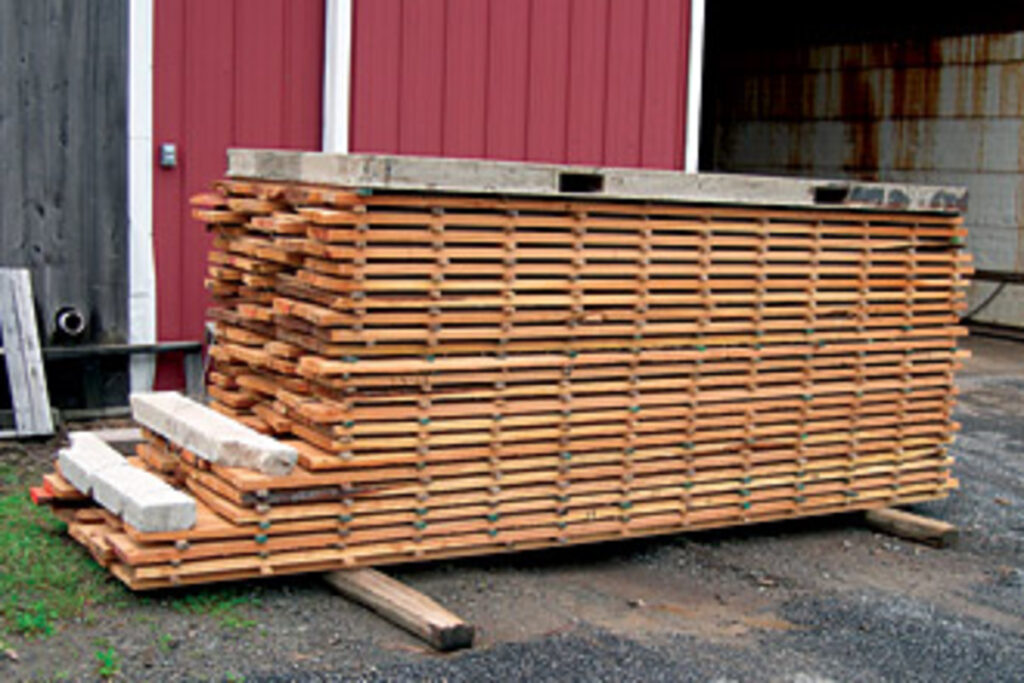
Boards are stacked with spacers, known as stickers, between each layer. This arrangement allows warm air to circulate evenly around every piece of timber.
Controlled Heating
Heating systems gradually increase the air temperature inside the kiln. The temperature depends on the timber species and desired moisture content.
Airflow Management
Large circulation fans move heated air continuously throughout the chamber. Consistent airflow ensures every board dries at a similar rate.
Moisture Extraction
As moisture evaporates from the wood, ventilation systems remove humid air while introducing fresh air when necessary.
Monitoring and Control
Modern kilns use electronic sensors to monitor temperature, humidity, and timber moisture levels. Automated systems adjust operating conditions throughout the drying process to maximize efficiency.
Advantages of Using a Wood Drying Kiln
Faster Production
Kiln drying dramatically shortens drying times compared with natural air drying, allowing businesses to increase production capacity.
Improved Timber Quality
Controlled drying reduces internal stresses and minimizes defects, producing straighter and more stable timber.
Higher Product Value
Kiln-dried timber is often sold at premium prices because customers value its consistent quality and improved performance.
Better Manufacturing Results
Wood with stable moisture content machines more accurately and produces stronger glued joints and smoother finishes.
Pest Elimination
High kiln temperatures destroy insects, larvae, mould spores, and fungi that may be present in freshly harvested timber.
Types of Wood Drying Kilns
Several kiln technologies are available for different production requirements.
Conventional Kilns
These use heated air and controlled ventilation to dry timber efficiently. They are commonly used in commercial sawmills.
Dehumidification Kilns
These systems remove moisture using refrigeration technology, making them energy-efficient for smaller woodworking operations.
Vacuum Kilns
Vacuum drying lowers the boiling point of water, allowing timber to dry more quickly while reducing stress on valuable hardwoods.
Solar Kilns
Solar-powered systems use renewable energy from sunlight. They are environmentally friendly and suitable for smaller-scale timber producers.
Biomass Kilns
Biomass kilns generate heat using wood waste, chips, or sawdust, reducing operating costs while supporting sustainable manufacturing.
Industries That Use Wood Drying Kilns
A wood drying kiln is widely used across many sectors, including:
- Sawmills
- Furniture manufacturing
- Cabinet making
- Flooring production
- Door and window manufacturing
- Construction timber suppliers
- Musical instrument makers
- Boat builders
- Timber exporters
- Custom woodworking businesses
Every industry benefits from stronger, more stable, and more reliable timber.
Choosing the Right Wood Drying Kiln
Selecting the best kiln depends on your production goals.
Factors to consider include:
- Daily production volume
- Timber species
- Desired drying speed
- Available energy source
- Automation level
- Moisture monitoring capability
- Maintenance requirements
- Long-term operating costs
Businesses planning for future growth should consider scalable kiln systems that can handle increasing production demands.
Maintenance Tips
Routine maintenance ensures reliable performance and extends equipment life.
Best practices include:
- Clean air circulation fans regularly.
- Inspect heating elements and burners.
- Check humidity sensors for accuracy.
- Maintain door seals and insulation.
- Remove dust and wood debris.
- Service electrical components according to manufacturer recommendations.
Regular maintenance minimizes downtime and helps maintain consistent drying quality.
Environmental Benefits
Modern kiln technology supports sustainable timber production by improving energy efficiency and reducing waste.
Benefits include:
- Reduced timber losses
- Improved energy efficiency
- Lower emissions with biomass heating
- Better utilization of harvested wood
- Less waste during manufacturing
- Longer-lasting wood products
Many facilities now integrate renewable energy systems and heat recovery technology to further reduce operating costs and environmental impact.
Conclusion
A wood drying kiln is an essential investment for businesses that require high-quality timber. By controlling temperature, humidity, and airflow, kiln drying produces wood that is stronger, more stable, and easier to process than naturally seasoned timber. Faster drying times, improved product consistency, reduced defects, and higher customer satisfaction make kiln drying a smart choice for sawmills, furniture manufacturers, construction suppliers, and woodworking professionals.
As demand for premium timber continues to increase, investing in a modern wood drying kiln helps businesses improve efficiency, reduce waste, and deliver reliable wood products that meet the highest industry standards.