The Complete Wall Panel Guide: Types, Benefits, Installation, and Design Ideas
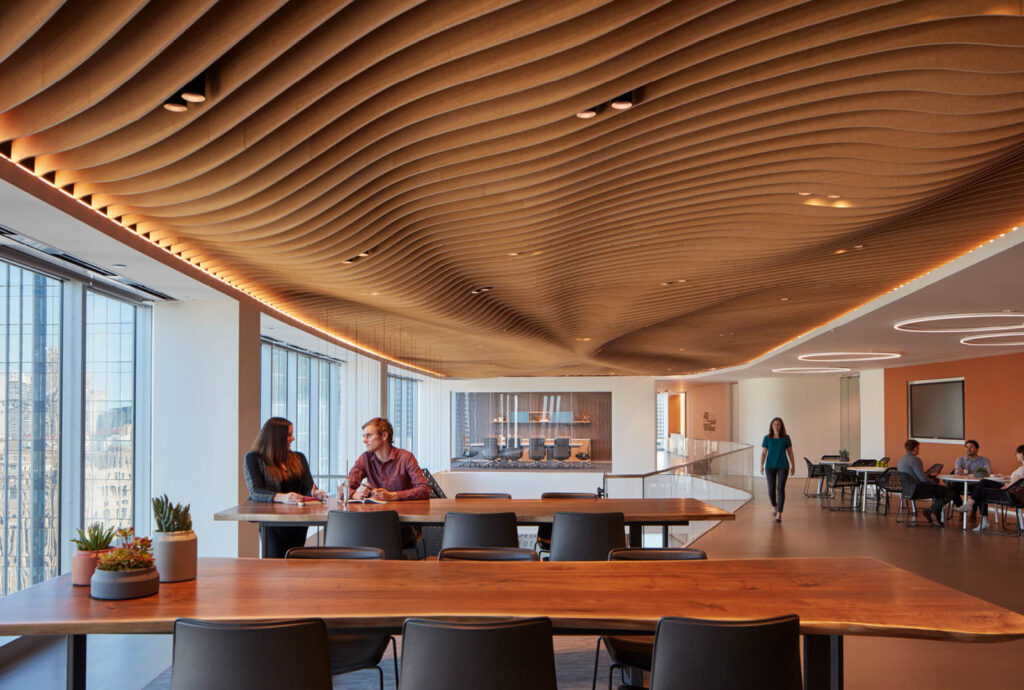
Wall panels have become one of the most popular interior design solutions for modern homes, offices, and commercial spaces. They offer a stylish, practical, and durable way to enhance walls while improving insulation, acoustics, and overall aesthetics. Whether you are renovating a room or designing a new space, understanding wall panel can help you make the right choice for your interior needs. This comprehensive wall panel guide covers everything you need to know, from types and materials to benefits, installation, and design tips.
What Are Wall Panels?
Wall panels are decorative and functional coverings installed on walls to enhance their appearance and performance. Unlike traditional paint or wallpaper, wall panels add texture, depth, and protection to surfaces. They are available in a wide range of materials, designs, and finishes, making them suitable for residential, commercial, and architectural applications.
Modern wall panels are designed to be easy to install, low maintenance, and long-lasting. They can be used to create feature walls, improve acoustics, or protect walls from wear and tear in high-traffic areas.
Types of Wall Panels
Choosing the right type of wall panel depends on your design preferences, budget, and functional requirements. Here are some of the most popular types of wall panels used in modern interiors.
1. Wooden Wall Panels
Wooden wall panels are timeless and elegant, offering a warm and natural look. They are commonly used in living rooms, bedrooms, and office interiors. Options include solid wood, veneer, and engineered wood panels, each providing different levels of durability and cost.
2. PVC Wall Panels
PVC wall panels are lightweight, water-resistant, and budget-friendly. They are ideal for bathrooms, kitchens, and areas exposed to moisture. PVC panels are available in various colours and textures, including marble and wood finishes.
3. WPC (Wood Plastic Composite) Panels
WPC panels combine wood fibres and plastic to create a durable and eco-friendly material. They are resistant to termites, moisture, and warping, making them suitable for long-term use in modern interiors.
4. 3D Wall Panels
3D wall panels add depth and artistic texture to walls. These panels are perfect for feature walls in living rooms, reception areas, and commercial spaces where visual impact is important.
5. Acoustic Wall Panels
Acoustic panels are designed to absorb sound and reduce noise levels. They are widely used in offices, studios, conference rooms, and home theatres to improve sound quality and comfort.
6. Fabric and Upholstered Panels
Fabric panels offer a soft and luxurious appearance while also improving acoustics. They are commonly used in hotels, offices, and high-end residential interiors.
7. Stone and Marble Panels
Stone and marble wall panels create a premium and sophisticated look. These panels are often used in luxury interiors, feature walls, and commercial lobbies.
Benefits of Using Wall Panels
Wall panels offer more than just aesthetic appeal. They provide multiple functional advantages that make them a smart investment for modern interiors.
Enhanced Aesthetics
Wall panels instantly upgrade the visual appeal of any space. They add texture, depth, and character that plain painted walls cannot achieve.
Durability and Protection
Wall panels protect walls from scratches, moisture, and daily wear and tear. This makes them especially useful in high-traffic areas such as hallways, offices, and retail spaces.
Easy Maintenance
Most wall panels are easy to clean and require minimal maintenance compared to painted or wallpapered walls. A simple wipe with a damp cloth is often enough to keep them looking new.
Thermal and Acoustic Insulation
Certain wall panels provide insulation benefits by improving temperature regulation and reducing noise levels. This enhances comfort in both residential and commercial environments.
Quick Installation
Wall panels are generally faster to install than traditional wall treatments like tiling or plastering. Many modern panels come with interlocking systems for easy and efficient installation.
Cost-Effective Solution
While some premium panels can be expensive, many wall panel options offer long-term cost savings due to their durability and low maintenance requirements.
Choosing the Right Wall Panel Material
Selecting the right material is essential for achieving the desired look and performance. Consider the following factors when choosing wall panel materials:
- Moisture resistance for bathrooms and kitchens
- Durability for commercial or high-traffic spaces
- Aesthetic appeal for living rooms and feature walls
- Budget and maintenance requirements
- Environmental impact and sustainability
For example, PVC panels work best in humid areas, while wooden panels are ideal for warm and elegant interiors.
Wall Panel Design Ideas for Modern Spaces
Wall panels can be used creatively to transform different areas of your home or office. Here are some design ideas to inspire your next project.
Feature Walls
Create a stunning focal point in your living room or bedroom with textured or 3D wall panels. Feature walls add personality and visual interest to a space.
Office Interiors
Acoustic and fabric panels can enhance productivity by reducing noise and creating a professional atmosphere in office environments.
Bedroom Headboard Panels
Wall panels behind the bed can act as stylish headboards, adding luxury and comfort to the bedroom.
Commercial Spaces
Retail stores, restaurants, and hotels often use decorative wall panels to create unique brand-focused interiors that attract customers.
Ceiling and Wall Integration
Modern designs often combine wall and ceiling panels for a seamless and sophisticated architectural look.
Wall Panel Installation Guide
Proper installation is crucial for achieving a flawless finish and long-lasting performance. While some panels are DIY-friendly, professional installation is recommended for complex designs.
Step 1: Surface Preparation
Ensure the wall surface is clean, dry, and level. Remove any dust, grease, or old wall coverings before installation.
Step 2: Measurement and Planning
Measure the wall area accurately and plan the panel layout. This helps minimise material waste and ensures symmetry.
Step 3: Cutting the Panels
Cut panels according to the wall dimensions using appropriate tools. Precision cutting is essential for a neat finish.
Step 4: Adhesive or Fixing
Panels can be installed using adhesive, screws, or mounting systems depending on the material type and wall surface.
Step 5: Finishing Touches
Seal joints, edges, and trims for a polished and professional look. Proper finishing enhances durability and aesthetics.
Maintenance and Care Tips
Maintaining wall panels is simple if done correctly. Follow these tips to keep your panels in excellent condition:
- Clean regularly with a soft cloth
- Avoid harsh chemicals that may damage the finish
- Check for moisture in humid areas
- Repair minor damages promptly
- Use protective coatings if required
Regular maintenance extends the lifespan of your wall panels and keeps them looking fresh and stylish.
Wall Panels vs Traditional Wall Finishes
Compared to paint and wallpaper, wall panels offer superior durability, texture, and design versatility. While paint may require frequent repainting and wallpaper can peel over time, wall panels provide a long-lasting and modern solution with minimal upkeep.
Additionally, wall panels can hide wall imperfections, wiring, and uneven surfaces, making them a practical choice for renovation projects.
Final Thoughts
This wall panel guide highlights why wall panels are an essential element in modern interior and architectural design. With a wide range of materials, styles, and functional benefits, wall panels offer a versatile solution for enhancing both aesthetics and performance.
From wooden and PVC panels to acoustic and 3D designs, the right choice depends on your space, budget, and design goals. When installed and maintained properly, wall panels can transform ordinary walls into stunning design features while providing durability, insulation, and easy maintenance.
Whether you are upgrading a residential interior, designing a commercial space, or planning a renovation project, wall panels provide a stylish, practical, and long-lasting solution that meets the demands of contemporary design. Investing in the right wall panels not only enhances visual appeal but also adds long-term value, comfort, and functionality to any space.