Taper Shank Drill: Essential Tool for Precision Drilling
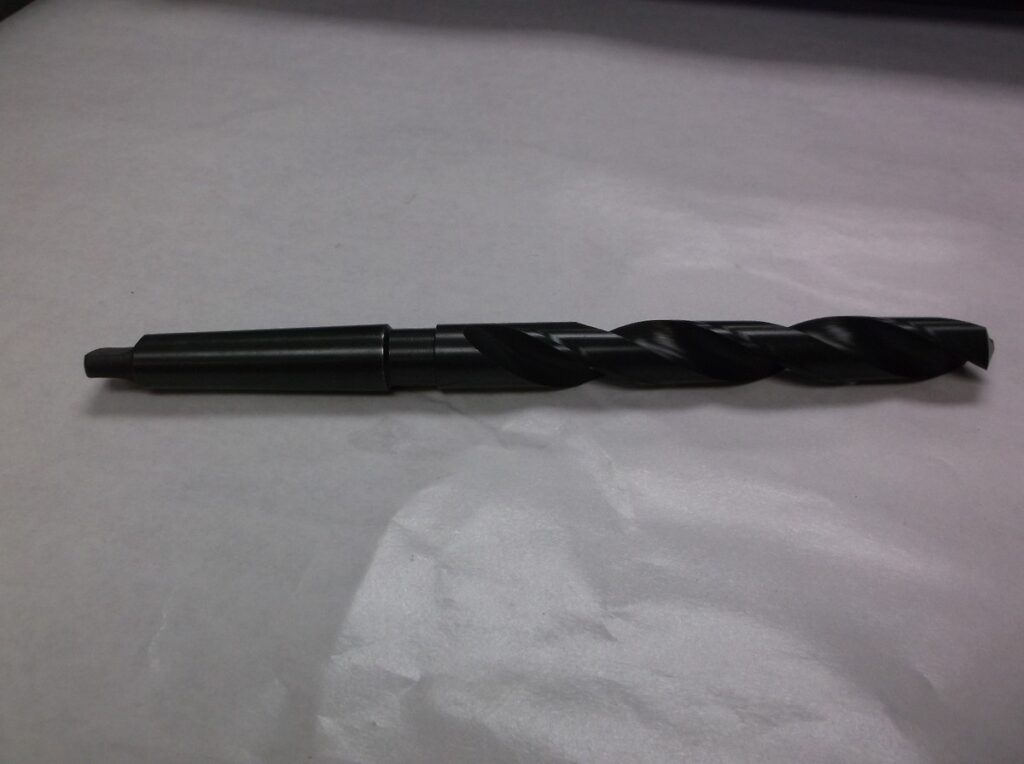
Taper shank drill bit for accurate drilling
Drilling operations play a central role in industries ranging from manufacturing and automotive to construction and engineering. Among the various types of drill bits used for different applications, the taper shank drill stands out as a critical tool for precision and stability in heavy-duty drilling. Known for its unique shank design and secure fit in machine spindles, the taper shank drill is widely used in machine shops, industrial settings, and tool rooms where accurate hole-making is essential.
This article explores what a taper shank drill is, its advantages, applications, and best practices for usage—making it a must-read for engineers, machinists, and DIY enthusiasts alike.
What Is a Taper Shank Drill?
A taper shank drill is a type of twist drill that features a conical shank (usually with a Morse taper) that fits directly into the tapered spindle of a machine tool, such as a lathe or a drill press. Unlike straight shank drills that require a chuck for mounting, taper shank drills are self-locking due to the taper fit. This design enables more efficient transmission of torque and allows for quick tool changes without additional holding devices.
The most commonly used tapers are Morse tapers, named after Stephen A. Morse who invented them. These come in standardized sizes (MT1, MT2, MT3, etc.) and allow for interchangeability among machines and tools.
Key Features of Taper Shank Drills
- Self-Centering Capability: The twist design and angle help the bit naturally center itself when drilling, improving accuracy and reducing wander.
- High Torque Transmission: The direct fit of the taper shank into the spindle ensures minimal power loss, making it ideal for heavy-duty tasks.
- Quick Changeover: Since the drill fits directly into the spindle, swapping tools is faster and requires fewer components.
- Robust Construction: Taper shank drills are typically made from high-speed steel (HSS) or cobalt alloys, ensuring durability and resistance to heat.
Advantages of Using Taper Shank Drills
1. Improved Stability and Alignment
The taper fit provides superior alignment and eliminates the need for additional clamping, which reduces vibration during operation. This leads to smoother holes with better finish and consistency.
2. Ideal for Large Diameter Holes
Taper shank drills are commonly used for drilling larger diameter holes, typically ranging from 13 mm up to 50 mm or more. Their robust design can handle the additional stress that comes with larger hole sizes.
3. Long Tool Life
Because of their precise fit and reduced wear on chucks, taper shank drills often enjoy longer tool life compared to their straight shank counterparts. This leads to cost savings over time.
4. Reduced Setup Time
In industrial environments where time equals money, taper shank drills enable faster tool changes, minimizing machine downtime and improving productivity.
Common Applications
Taper shank drills are used across a variety of industries and applications, including:
- Metalworking: For drilling steel, cast iron, and aluminum with consistent accuracy.
- Automotive: In engine block and frame fabrication where precise hole placement is critical.
- Construction: For drilling into heavy structural components.
- Manufacturing: In machine shops for part fabrication and assembly.
- Maintenance and Repair Operations (MRO): In repair shops where fast, accurate drilling is required on different types of materials.
Types and Sizes
Taper shank drills are available in a range of sizes and materials:
- Standard Lengths: For general-purpose drilling.
- Extra-Long (Taper Shank Extension Drills): For deep hole applications.
- Material Options: High-speed steel (HSS) is the most common, while cobalt steel offers better heat resistance for tough metals.
- Coatings: Options like black oxide, titanium nitride (TiN), or TiAlN enhance wear resistance and reduce friction.
Tips for Proper Use and Maintenance
To get the best performance out of your taper shank drill, follow these usage tips:
- Match the Taper: Ensure the Morse taper size of your drill matches the spindle or sleeve of your machine.
- Clean Surfaces: Always clean the shank and spindle before mounting to ensure a secure fit and prevent slippage.
- Use Proper Feed and Speed Rates: Adjust these based on material hardness and drill size to extend tool life and avoid overheating.
- Apply Lubrication: Use cutting fluids or lubricants for metal drilling to reduce friction and heat.
- Inspect Regularly: Check for signs of wear, dull edges, or surface cracks to prevent poor performance and potential tool breakage.
Accessories: Taper Sleeves and Drift Keys
To enhance flexibility, taper shank drills can be used with taper sleeves, which allow smaller taper drills to fit into larger taper spindles. A drift key or drift wedge is used to safely eject the drill from the spindle or sleeve when the job is complete.
Final Thoughts
The taper shank drill is a powerful and reliable tool that continues to be a staple in heavy-duty drilling applications. Its robust design, precision alignment, and torque efficiency make it the tool of choice for machinists and industrial professionals working on demanding projects.
Whether you’re drilling through metal, setting up a fabrication line, or just expanding your workshop capabilities, investing in quality taper shank drills—and using them properly—can significantly improve your results. With the right drill, proper maintenance, and correct usage, you’ll achieve cleaner cuts, longer tool life, and better overall productivity.
If you’re looking for high-performance drilling solutions, taper shank drills deserve a place in your toolbox.