Residual Solvent Testing: Ensuring Safety, Quality, and Regulatory Compliance in Pharmaceuticals
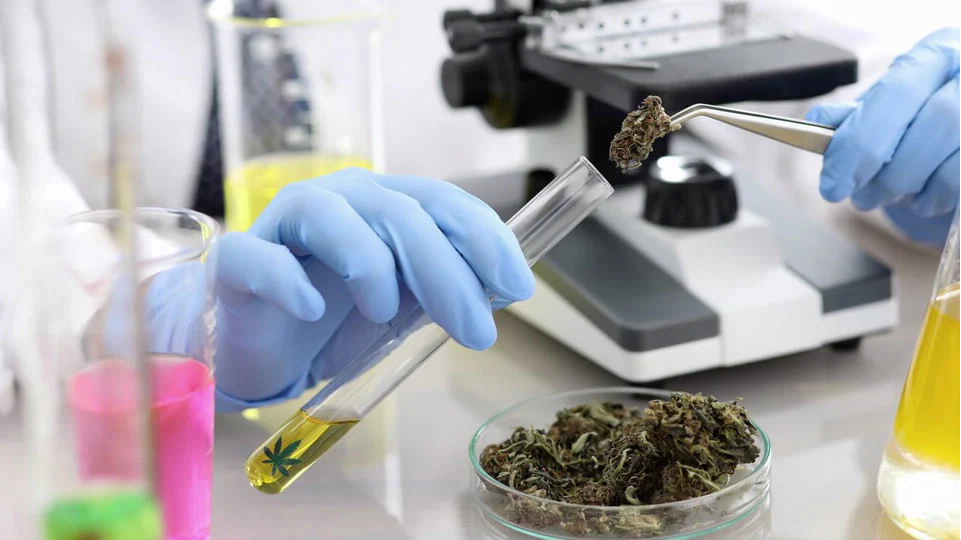
Residual solvent testing is a critical quality control activity in the pharmaceutical, biotechnology, and medical device industries. During drug substance synthesis and drug product manufacturing, organic solvents are widely used as reaction media, extraction agents, or cleaning fluids. While these solvents are often necessary to achieve desired chemical transformations and product purity, traces may remain in the final product. If not properly controlled, residual solvents can pose toxicological risks to patients and compromise regulatory compliance.
This article explores the importance of residual solvent testing, regulatory expectations, solvent classification, analytical techniques, and best practices for implementation in modern pharmaceutical quality systems.
What Are Residual Solvents?
Residual solvents are volatile organic chemicals that are intentionally used or produced during the manufacturing of drug substances, excipients, or finished pharmaceutical products. They are not intended to be present in the final formulation, but small amounts may remain due to incomplete removal during processing.
Common examples include methanol, ethanol, acetone, acetonitrile, dichloromethane, toluene, and hexane. Because many of these solvents have known toxicological effects—ranging from mild irritation to carcinogenicity—regulatory authorities strictly limit their acceptable concentrations.
Residual solvent testing is therefore essential to demonstrate that solvent levels are within acceptable safety thresholds before a product reaches patients.
Regulatory Framework and Guidelines
The primary global standard governing residual solvent testing is the International Council for Harmonisation guideline ICH Q3C (Impurities: Residual Solvents). This guideline provides a harmonized approach adopted by major regulatory agencies, including the US FDA, EMA, and PMDA.
ICH Q3C classifies solvents based on their potential toxicity and environmental impact and establishes Permitted Daily Exposure (PDE) limits. Compliance with this guideline is mandatory for regulatory submissions and routine quality control.
Pharmacopeial standards such as USP <467>, EP 5.4, and JP General Chapter 2.46 further describe validated analytical procedures and system suitability requirements for residual solvent analysis.
Classification of Residual Solvents
ICH Q3C divides solvents into three main classes:
Class 1 Solvents: To Be Avoided
These solvents are known or suspected human carcinogens or environmentally hazardous substances. Examples include benzene, carbon tetrachloride, and 1,2-dichloroethane. Their use is generally prohibited, and their presence is allowed only in exceptional cases with strict justification.
Class 2 Solvents: Limited Use
Class 2 solvents are associated with inherent toxicity but are widely used due to their effectiveness in manufacturing. Examples include methanol, acetonitrile, toluene, and dichloromethane. Each solvent has a defined PDE, and concentrations must be carefully monitored.
Class 3 Solvents: Low Toxicity
These solvents pose minimal toxicological risk at typical exposure levels. Examples include ethanol, acetone, ethyl acetate, and isopropanol. While higher limits are permitted, manufacturers are still expected to follow good manufacturing practices to minimize their presence.
Why Residual Solvent Testing Is Critical
Residual solvent testing plays a vital role in pharmaceutical development and commercialization for several reasons:
- Patient Safety
Chronic exposure to toxic solvents can lead to neurological, hepatic, renal, or reproductive toxicity. Testing ensures that solvent levels remain within scientifically established safety limits. - Regulatory Compliance
Failure to meet ICH and pharmacopeial requirements can result in regulatory delays, warning letters, or product recalls. - Product Quality and Consistency
Monitoring residual solvents helps ensure batch-to-batch consistency and confirms the robustness of manufacturing and drying processes. - Process Optimization
Testing data can identify inefficiencies in solvent removal steps, enabling process improvements and cost reduction.
Analytical Techniques for Residual Solvent Testing
Gas chromatography (GC) is the gold standard for residual solvent analysis due to its sensitivity, specificity, and ability to separate volatile compounds.
Common GC-Based Approaches
Headspace Gas Chromatography (HS-GC)
HS-GC is the most widely used technique for residual solvent testing. In this method, the sample is sealed in a vial and heated, allowing volatile solvents to partition into the gas phase (headspace). A portion of this vapor is then injected into the GC system.
Advantages of HS-GC include minimal sample preparation, reduced contamination of the GC column, and excellent reproducibility.
Detectors Used
- Flame Ionization Detector (FID): Highly sensitive to organic compounds and commonly used for routine testing.
- Mass Spectrometry (MS): Provides enhanced specificity and confirmation, particularly useful during method development or when unknown solvents are suspected.
Method Development and Validation
Developing a reliable residual solvent method requires careful consideration of several factors:
- Solvent Polarity and Volatility
- Sample Matrix (API vs. finished product)
- Column Selection and Temperature Program
- Headspace Equilibration Time and Temperature
Once developed, methods must be validated in accordance with ICH Q2 guidelines. Key validation parameters include specificity, linearity, accuracy, precision, limit of detection (LOD), limit of quantitation (LOQ), and robustness.
System suitability tests—such as resolution, repeatability, and signal-to-noise ratio—are essential to ensure ongoing method performance.
Residual Solvent Testing Across the Product Lifecycle
Residual solvent testing is not limited to final release testing. It is applied throughout the pharmaceutical lifecycle:
- Early Development: Helps guide solvent selection and synthetic route optimization.
- Process Validation: Confirms consistent solvent removal at commercial scale.
- Stability Studies: Ensures solvent levels remain within limits over shelf life.
- Change Control: Evaluates the impact of manufacturing or supplier changes.
By integrating residual solvent testing early and consistently, manufacturers can avoid late-stage surprises and regulatory risks.
Best Practices for Effective Residual Solvent Control
To implement a robust residual solvent testing strategy, organizations should:
- Select solvents with lower toxicity whenever feasible
- Design processes with efficient drying and purification steps
- Use validated, stability-indicating GC methods
- Maintain well-calibrated instruments and trained analysts
- Trend data to detect shifts in process performance
A proactive approach not only ensures compliance but also supports sustainable and efficient manufacturing.
Residual solvent testing is a cornerstone of pharmaceutical quality assurance, bridging chemistry, toxicology, and regulatory science. By adhering to ICH guidelines, employing robust analytical techniques such as headspace gas chromatography, and embedding testing throughout the product lifecycle, manufacturers can ensure patient safety and regulatory success.
As pharmaceutical processes grow increasingly complex, the importance of reliable residual solvent testing will continue to rise—making it an indispensable tool in delivering safe, effective, and high-quality medicines to patients worldwide.