Machine Tap vs Hand Tap: Key Differences Explained
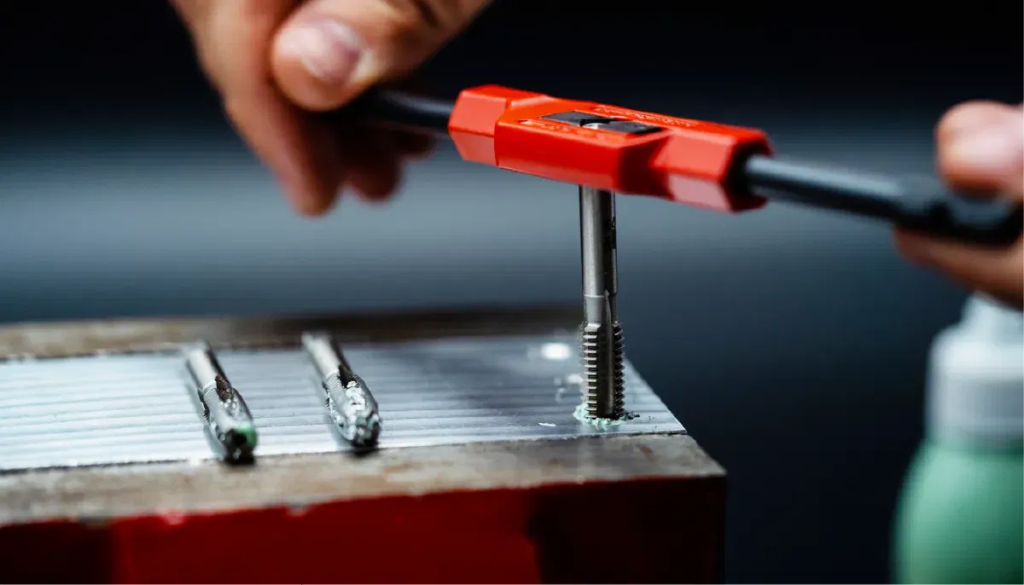
Tapping is an essential process in machining and manufacturing, used to create internal threads in a drilled hole. Whether you are working in a workshop, factory, or even on DIY projects, understanding the difference between machine taps and hand taps is crucial for achieving accurate and efficient results. While both tools serve the same basic purpose, they are designed for different applications, operating conditions, and levels of precision.
This article explores the key differences between machine tap vs hand tap, helping you choose the right tool for your specific needs.
What is a Tap?
A tap is a cutting tool used to form threads inside a hole so that bolts or screws can be inserted. It removes material from the inner surface of a hole, creating a threaded profile that matches a corresponding fastener.
Taps come in various sizes, materials, and designs, depending on the application. Among the most commonly used types are machine taps and hand taps, each offering unique advantages.
What is a Hand Tap?
Hand taps are designed for manual use and are typically operated using a tap wrench. They are commonly used in maintenance work, repair tasks, and small-scale projects where precision and control are more important than speed.
A standard set of hand taps usually includes three types:
- Taper tap: Starts the threading process with a gradual cutting action
- Plug tap: Continues the threading with moderate cutting depth
- Bottoming tap: Finishes the thread to the bottom of the hole
These taps are used sequentially to ensure clean and accurate threads, especially in blind holes.
Hand taps are ideal for situations where power tools or machines are not available. They provide greater control, making them suitable for delicate materials or applications where precision is critical.
What is a Machine Tap?
Machine taps, as the name suggests, are designed for use with machines such as drill presses, CNC machines, and tapping machines. They are engineered for high-speed, high-efficiency operations and can produce threads in a single pass.
Unlike hand taps, machine taps do not require multiple stages. They are designed with specific geometries that allow them to cut threads quickly and efficiently, reducing production time.
Machine taps are commonly used in industrial settings where large volumes of threaded holes are required. They are available in various designs, including spiral point taps, spiral flute taps, and forming taps, each suited for different materials and hole types.
Key Differences Between Machine Taps and Hand Taps
One of the main differences between machine taps and hand taps is their method of operation. Hand taps are used manually, requiring physical effort and time, while machine taps are operated using powered equipment, allowing for faster and more consistent results.
Another important difference is efficiency. Machine taps are designed for high-speed production and can complete threading in a single step. In contrast, hand taps often require multiple passes, making them slower but more controlled.
Precision and consistency also vary between the two. Machine taps, when used with properly calibrated equipment, provide highly consistent results, making them ideal for mass production. Hand taps, on the other hand, rely on the operator’s skill, which can lead to variations in thread quality.
Durability is another factor. Machine taps are typically made from high-performance materials such as high-speed steel or carbide, allowing them to withstand the stresses of high-speed operation. Hand taps are also durable but are not designed for the same level of continuous use.
Applications of Hand Taps
Hand taps are widely used in situations where flexibility and control are required. They are ideal for:
- Repairing damaged threads
- Working in tight or hard-to-reach spaces
- Small-scale or one-off projects
- Soft or delicate materials
Because they are manually operated, hand taps allow users to feel the cutting process, reducing the risk of over-cutting or damaging the material.
Applications of Machine Taps
Machine taps are best suited for industrial and high-volume applications. Common uses include:
- Manufacturing components with multiple threaded holes
- Automotive and aerospace production
- CNC machining operations
- Heavy-duty metalworking
Their ability to produce threads بسرعة and consistently makes them essential for large-scale production environments.
Advantages and Disadvantages
Hand taps offer excellent control and are relatively inexpensive, making them accessible for beginners and small workshops. However, they are time-consuming and require more effort, especially when working with harder materials.
Machine taps, on the other hand, provide speed, efficiency, and consistency. They are ideal for professional and industrial use but require specialized equipment and can be more expensive.
Choosing the Right Tap
Selecting between a machine tap and a hand tap depends on your specific requirements. If you are working on a small project, performing repairs, or need precise manual control, a hand tap is likely the better choice.
For high-volume production, repetitive tasks, or applications requiring consistent quality, machine taps are the preferred option. They save time and improve productivity, making them a valuable investment for industrial operations.
It is also important to consider factors such as material type, hole depth, and available equipment when making your decision.
Conclusion
Both machine taps and hand taps play important roles in threading operations. While they share the same basic function, their differences in design, operation, and application make them suited for different tasks.
Hand taps provide precision and control for smaller or more delicate jobs, while machine taps deliver speed and efficiency for large-scale production. Understanding these differences allows you to choose the right tool for your needs, ensuring better results and improved performance in your projects.
By selecting the appropriate tap and using it correctly, you can achieve clean, accurate threads and enhance the overall quality of your work.