A Traveler’s Guide to Baba Nyonya Heritage in Penang
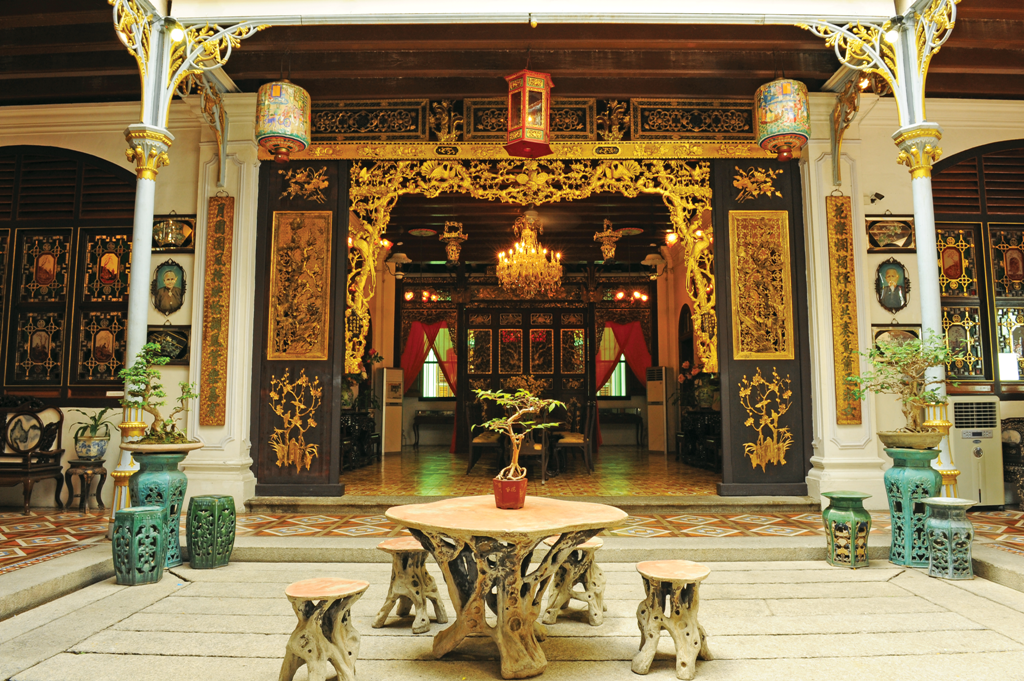
A beautifully preserved Baba Nyonya heritage facade in Penang
Penang, Malaysia, is celebrated for its eclectic blend of cultures, historic streets, and incredible food. Among its many cultural treasures is the distinctive Baba Nyonya Herritage in Penang—the legacy of the Peranakan Chinese community that flourished in the Straits Settlements (Malacca, Penang, and Singapore) from the 15th century onwards. For travelers eager to dive into history, traditions, and cuisine, Penang offers authentic ways to experience this vibrant culture.
Who Are the Baba Nyonya?
The Baba Nyonya, or Peranakan Chinese, trace their roots to early Chinese traders who settled in Malaya and intermarried with the local Malay population. Over generations, this created a unique community blending Chinese traditions with Malay influences, and even touches of British colonial identity.
- “Baba” refers to Peranakan men.
- “Nyonya” refers to Peranakan women.
Their heritage is most visibly reflected in their elaborate dress, ornate homes, distinctive cuisine, and hybrid customs that continue to intrigue modern travelers.
Exploring Baba Nyonya Architecture in Penang
The architecture of Peranakan homes is one of the most striking ways to glimpse their lifestyle. In George Town, Penang’s UNESCO World Heritage zone, rows of shophouses reveal intricate designs influenced by Chinese, Malay, and European aesthetics.
- Pinang Peranakan Mansion: One of Penang’s standout attractions, this mansion is a living museum showcasing antiques, household items, jewelry, and furniture that belonged to wealthy Peranakan families. Every room offers insights into the opulence of the era.
- Cheong Fatt Tze Mansion (Blue Mansion): While not exclusively Peranakan, it encapsulates ornate Chinese design with colonial influences—another stop worth visiting when exploring heritage architecture.
Baba Nyonya Cuisine: A Feast for the Tastebuds
Food remains at the heart of Baba Nyonya culture. Known as Nyonya cuisine, it blends Chinese ingredients with Malay spices and techniques, resulting in bold, aromatic dishes. Travelers should not miss:
- Nyonya Laksa (Laksa Lemak): Coconut-based noodle soup with seafood, herbs, and spice.
- Ayam Buah Keluak: Chicken cooked with black nuts, delivering earthy, rich flavors.
- Kuih Nyonya: Colorful bite-sized desserts made with pandan, coconut, and rice flour.
- Inche Kabin: Peranakan-style spiced fried chicken.
Head to Peranakan restaurants in George Town such as Kebaya Dining Room or smaller family-run eateries that preserve centuries-old recipes.
Traditional Costumes and Crafts
Peranakan women were well-known for their elegant kebaya—a figure-fitting blouse often embroidered with vibrant floral patterns, paired with batik sarongs. To this day, the kebaya remains a proud symbol of Nyonya culture.
Visitors can explore:
- Textile shops selling hand-drawn batik and kebayas.
- Heirloom jewelry collections at heritage museums, showcasing intricately-crafted gold, silver, and beaded accessories once worn during weddings and festivals.
Cultural Experiences and Festivals
Travelers lucky enough to visit Penang during cultural events will see Baba Nyonya traditions at their liveliest.
- Nyonya Weddings: Sometimes re-enacted in museums, these elaborate, multi-day rituals reveal the mix of Chinese and Malay customs.
- George Town Festival: Often highlights Peranakan performances, crafts, and food.
- Chinese New Year & Chap Goh Meh: Many Penang Peranakans uphold distinct festive customs blending Chinese tradition with local influences.
Where to Stay: Immersive Heritage Hotels
For travelers who want to immerse themselves, Penang offers boutique heritage hotels housed in restored Peranakan mansions. Popular options include:
- Seven Terraces: A luxury boutique hotel reflecting Peranakan opulence with antique décor.
- East Indies Mansion: Offers a colonial-Peranakan ambiance in George Town.
Tips for Travelers
- Join a Guided Tour: Museums such as Pinang Peranakan Mansion offer tours that deepen your understanding of artifacts and traditions.
- Respect Heritage Sites: Many properties are family legacies—photography may be restricted in certain areas.
- Taste Boldly: Don’t shy away from spicy or rich dishes—Nyonya food reflects centuries of innovation.
- Engage Locals: Many shop owners are proud to share stories of their Peranakan roots.
Conclusion
Exploring the Baba Nyonya heritage in Penang is more than sightseeing. It’s stepping into a centuries-old fusion of cultures that shaped Malaysia’s history and continues to thrive through its cuisine, clothing, architecture, and traditions. For travelers, it’s an invitation to understand how diverse influences can merge to create something truly original—and delicious.
Whether you’re savoring Nyonya laksa on a side street, wandering the ornate halls of the Pinang Peranakan Mansion, or admiring hand-embroidered kebayas, the journey into Baba Nyonya culture promises to be a highlight of your Penang adventure.