Exploring the Beauty of Color in Abstract Art
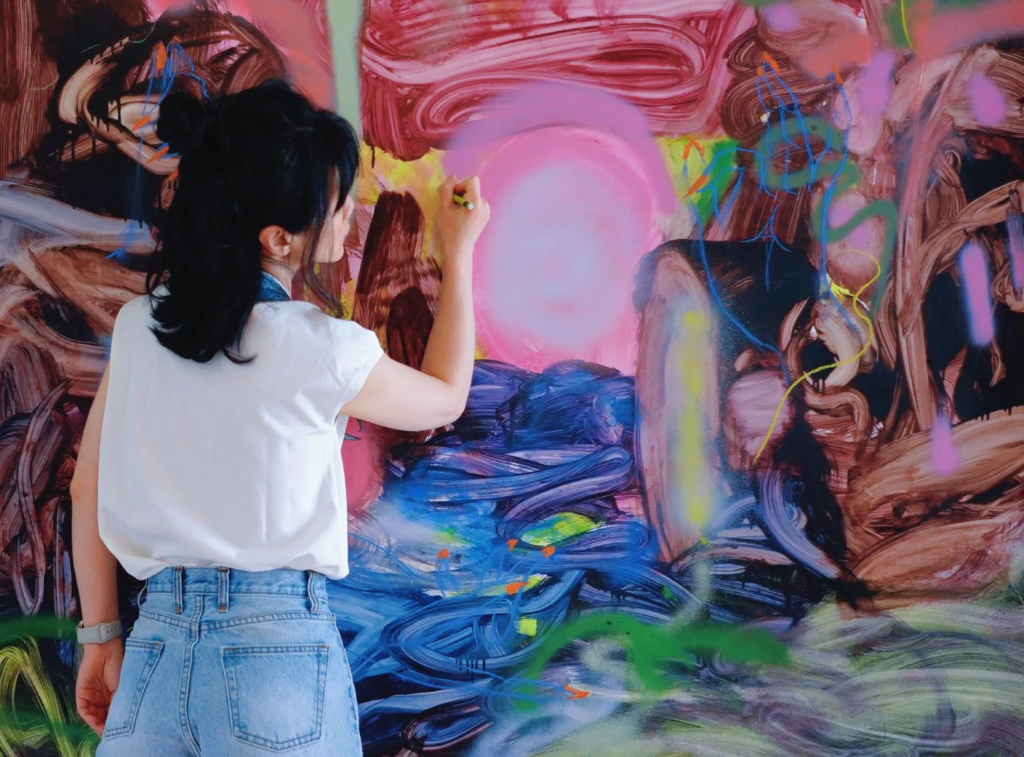
Color has the power to change how people experience a painting. It can attract attention, establish rhythm, create a sense of movement, and influence the atmosphere of an entire composition. In abstract art, these qualities become especially important because artists often communicate through visual relationships rather than recognizable subjects. HueAlchemy provides a useful concept for exploring how color choices and artistic experimentation can work together to create distinctive visual experiences.
What Makes Abstract Art Different?
Abstract art moves beyond the requirement to reproduce people, places, or objects realistically. Artists may use geometric forms, loose brushstrokes, layered surfaces, repeated patterns, and unexpected color combinations to create compositions that invite interpretation.
Some abstract paintings appear spontaneous, with energetic marks and dramatic contrasts. Others are carefully structured, using repeated shapes and balanced arrangements to establish order. Many combine both approaches, allowing controlled design and experimentation to influence the final result.
The meaning of an abstract painting can vary from one viewer to another. A combination of colors and shapes may remind one person of a landscape, while another may respond to its rhythm or emotional atmosphere.
This openness is one reason Abstract Art continues to interest artists, collectors, and people who enjoy creative expression.
The Relationship Between Color and Emotion
Artists frequently use color to influence the mood of a composition. Red may communicate intensity, orange can suggest warmth, and blue may evoke calmness or distance. Green can recall nature, while violet may create a sense of richness or mystery.
However, these associations depend on context and personal experience. A pale blue painting may feel peaceful, whereas a dark blue composition with sharp shapes can appear dramatic. The surrounding colors, lighting, and painting technique all contribute to the overall impression.
An Abstract Artist can experiment with these effects by changing the proportions and placement of different hues. A small bright accent may draw attention, while a large area of muted color can establish a quieter atmosphere.
Observing how these choices affect the viewer’s response can help artists make more intentional decisions.
Understanding Color Mixing
Color Mixing is an essential skill for artists who want to move beyond the colors available directly from a paint tube. By combining pigments, painters can create subtle variations that give a composition greater depth and individuality.
Start with a few basic colors and mix small quantities on a palette. Record the proportions used for each combination so that successful results can be reproduced.
For example, changing the balance between blue and yellow produces different greens. Adding a small amount of red may make a green less intense, while white can lighten the mixture. The exact outcome depends on the pigments, so testing each combination is important.
Artists can also experiment with warm and cool versions of similar colors. A warm blue may behave differently from a cooler blue when mixed with yellow, creating variations that influence the entire palette.
Maintaining a color journal is a practical way to document discoveries, including unexpected mixtures that might become useful in future work.
HueAlchemy and the Spirit of Experimentation
The name HueAlchemy suggests a creative relationship between color exploration and transformation. In the studio, this idea can be applied by treating each mixture as an opportunity to discover something new.
An artist might begin with a limited selection of pigments and create several different palettes from the same starting point. Each palette could then inspire a separate painting, with differences in color relationships producing distinct moods and visual structures.
Hue Alchemy also provides a useful reminder that artistic development does not always follow a predictable path. A mixture that initially seems unsuitable may become effective when placed beside another color or applied with a different technique.
For those interested in this creative approach, huealchemy.com is a place to explore the website and its connection to color and art.
Using Texture to Enhance Color
Color does not exist independently of the surface on which it appears. Brushwork, paint thickness, layering, and the texture of the canvas can all change how a shade is perceived.
Smooth transitions may create a sense of continuity, while rough marks can introduce energy. Thick applications of paint may catch light differently from thin, transparent layers. Scraping or covering parts of an earlier layer can reveal interesting interactions between colors.
Artists can explore these effects using brushes, palette knives, sponges, or other tools suitable for their chosen medium. The goal is to observe how the physical qualities of paint contribute to the composition.
Texture can also help separate areas of a painting without relying entirely on changes in color. This creates another way to establish contrast and guide the viewer’s attention.
Finding Balance in an Abstract Composition
A compelling painting often contains a balance of visual elements. Large shapes can be offset by smaller details, bright colors can be supported by neutral areas, and energetic brushstrokes can be balanced by quieter sections.
These relationships do not have to be symmetrical. An asymmetrical composition can feel balanced when the placement, scale, and intensity of its elements are carefully considered.
One practical method is to step away from the painting periodically. Looking at the artwork from a distance can make it easier to identify areas that dominate too strongly or sections that need additional definition.
Photographing a painting and viewing it at a smaller size can also reveal its overall structure. These simple techniques help artists evaluate the composition without becoming distracted by individual details.
Creating Art Through Regular Practice
Developing an artistic approach requires patience. Not every experiment will succeed, but each attempt can reveal something about materials, colors, or composition.
Setting aside regular time for painting helps make experimentation a consistent habit. Artists can create small studies, test unfamiliar combinations, and revisit previous ideas with fresh perspectives.
Working in a series is particularly useful because it encourages exploration within a defined framework. By changing one or two elements at a time, painters can better understand how individual decisions influence the result.
Conclusion
The beauty of abstract art lies in its ability to transform color, texture, and form into an expressive visual language. Through thoughtful Color Mixing and ongoing experimentation, an Abstract Artist can develop compositions that feel personal, balanced, and engaging.
HueAlchemy and Hue Alchemy capture the spirit of discovery that makes artistic exploration rewarding. Whether you are learning the basics or refining an established practice, experimenting with color can help you uncover fresh possibilities in Abstract Art.